Addition & Subtraction Timed Tests | Wit for Design Clarity
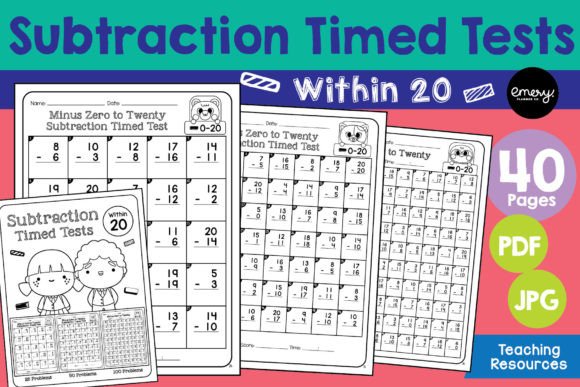
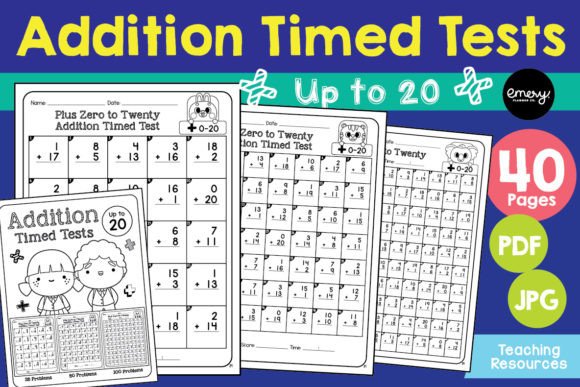
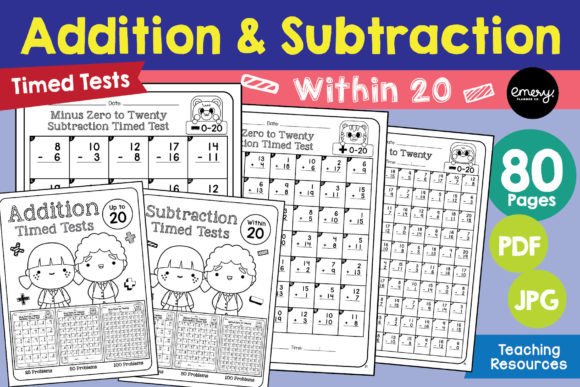
In the fast-paced world of graphic design, clarity and efficiency are paramount, much like the structured progression found in the Addition & Subtraction Timed Tests | Wit. This resource isn't just for the classroom; it's a metaphor for the disciplined, scalable approach designers need when building cohesive brand systems and effective visual communication. By offering tiered levels of complexity—25, 50, and 100 problems—it mirrors how design projects evolve from simple concepts to comprehensive campaigns, ensuring foundational skills are mastered before advancing to more intricate work.
Building a Foundation for Visual Fluency
Just as timed tests build math fact fluency, a designer's toolkit must foster visual fluency. The Addition & Subtraction Timed Tests | Wit pack, with its clean, black-and-white worksheets and structured tables of contents, exemplifies the importance of a well-organized asset library. For a graphic designer, this translates to maintaining a library of typography pairings, color palettes, and modular components. Consistent practice with these core elements—like daily design drills—sharpens your ability to make quick, confident decisions, directly impacting your design workflow and the quality of your final output, whether it's a logo, a social media graphic, or a full brand identity.
Practical Applications in Creative Projects
The principles of progression and clarity embodied by this resource have direct applications across numerous design disciplines. Consider how a tiered approach enhances your work:
- Branding and Logo Design: Start with simple monochrome sketches (the 25-problem level) to establish form and concept. Progress to more detailed refinements (50 problems) and finally to a comprehensive suite of logo variations and applications (100 problems) for a robust brand identity.
- Website and UI Design: Use the structured testing concept to methodically check usability. Begin with basic navigation flows, then test more complex user journeys, ensuring each interaction is as clear and error-free as a correct math answer.
- Marketing Materials and Advertising: Design a core visual message first. Then, scale and adapt it across different formats—from a simple social media post to a multi-page brochure or a large-format banner—maintaining consistency at every level.
- Editorial and Packaging Design: Apply a clear visual hierarchy. Start with the primary headline and key information, then layer in secondary details and supporting imagery, ensuring readability and impact remain strong even as complexity increases.
Tips for Selecting and Using Design Assets Effectively
When choosing resources like the Addition & Subtraction Timed Tests | Wit for inspiration or direct application, evaluate them as you would any creative asset. Prioritize usability and scalability. Does the resource offer multiple formats (PDF, JPEG) like this pack does, ensuring compatibility across your design software? Is the design clean and free of unnecessary color, allowing for easy integration into various color palettes? Look for assets that promote consistency through templates and clear organization, as this strengthens your overall design system. Finally, consider the user experience—whether for a student or a end-user, the asset should guide them smoothly toward a goal, enhancing engagement and communication.
Ultimately, thoughtful design choices are about more than aesthetics; they are about creating a seamless user experience and clear communication. Resources that embody principles of structure, progression, and clarity—much like the Addition & Subtraction Timed Tests | Wit—serve as a valuable reminder. Investing in high-quality, well-organized creative assets streamlines your process, elevates your professional presentation, and ensures your visual message is both understood and remembered, strengthening your brand's impact in a crowded visual landscape.