Engaging Dot to Dot 1-20 Worksheets for Creative Learning
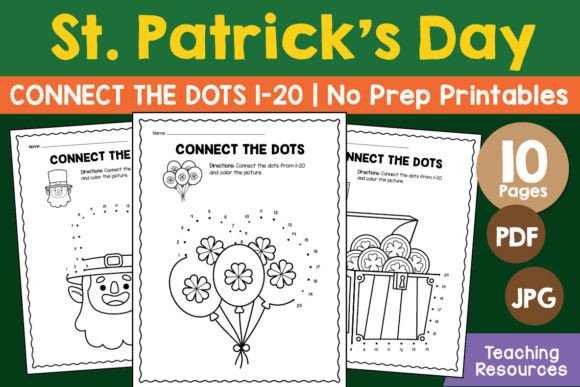
Discover how a simple, classic activity can be transformed into a powerful tool for visual engagement and focused practice. Connect the Dots | Dot to Dot 1-20 worksheets offer more than just a moment of quiet fun; they provide a structured framework that guides young learners through sequential number recognition while culminating in the rewarding reveal of a charming illustration. This blend of cognitive exercise and creative payoff makes such resources invaluable for educators, parents, and designers working on projects aimed at children.
Practical Applications in Design and Communication
While traditionally viewed as a children's activity, the principles behind Connect the Dots worksheets hold significant value for various graphic design and visual communication projects. Their clean, sequential structure and satisfying conclusion can inspire approaches in multiple creative domains.
- Educational Material & Editorial Design: Incorporate dot-to-dot activities into workbooks, activity pads, or magazine inserts to enhance user engagement. The 1-20 number range is perfect for early learners, supporting curriculum goals in a visually appealing format.
- Brand Marketing for Family Audiences: Businesses targeting parents, educators, or children can use customized dot-to-dot sheets as free printable downloads or in-store activity pages. This provides tangible value, strengthens brand identity through association with learning and fun, and can be a subtle part of a larger digital marketing strategy.
- Thematic Content & Social Media Graphics: For seasonal campaigns, like a St. Patrick's Day theme, these worksheets become ready-made social media graphics. Sharing a "complete the picture" challenge can boost interaction and shares, creating a sense of community and playful participation.
- Packaging & Merchandise Design: Imagine a children's product line where the packaging includes a dot-to-dot element. This adds an interactive layer to packaging design, turning the unboxing experience into an activity. Similarly, these designs can adorn merchandise like posters, tote bags, or apparel for a playful aesthetic.
Design Considerations for Effective Worksheets
When selecting or creating resources like these, focusing on key visual design principles ensures the end product is both functional and aesthetically pleasing.
- Clarity and Visual Hierarchy: The numbers must be easy to read and follow. A clean typography choice and ample spacing are crucial for a positive user experience (UX), preventing frustration for young users.
- Scalability and Format: The provided 8.5x11 inch dimension is a standard, versatile size for both home and classroom printing. Offering files in both PDF and JPEG formats ensures maximum compatibility across different devices and printers, streamlining the design workflow for the end-user.
- Monochromatic Flexibility: A black and white design is a strategic choice. It minimizes printing costs (no color ink required) and invites creativity, allowing children to add their own color palette after connecting the dots. This transforms the worksheet from a simple activity into a personalized piece of art.
Ultimately, the strength of a resource like Connect the Dots | Dot to Dot 1-20 lies in its ability to merge focused skill-building with creative delight. For designers and creators, it serves as a reminder that the most effective visual communication often comes from simple, well-executed concepts. By thoughtfully applying such creative assets, you can enhance educational tools, deepen brand engagement, and produce content that truly resonates with its audience, proving that great design is always about clarity, purpose, and a touch of joy.