Christmas Alphabet Tracing Worksheets: Festive Design for Learning
Imagine transforming a fundamental educational tool into a charming visual experience that captures the magic of the season. Christmas Alphabet Tracing Worksheets achieve this by blending essential skill-building with delightful, thematic illustration, creating a resource that is as effective as it is engaging.
A Foundation for Visual Literacy and Brand Consistency
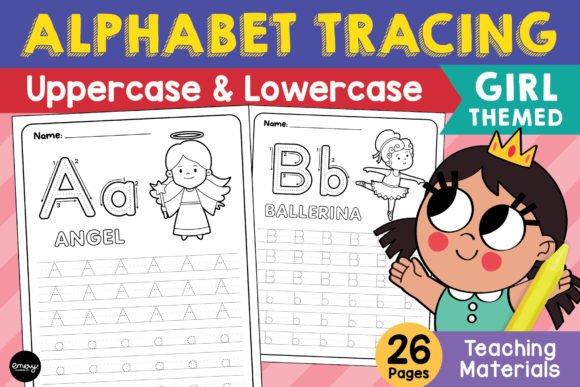
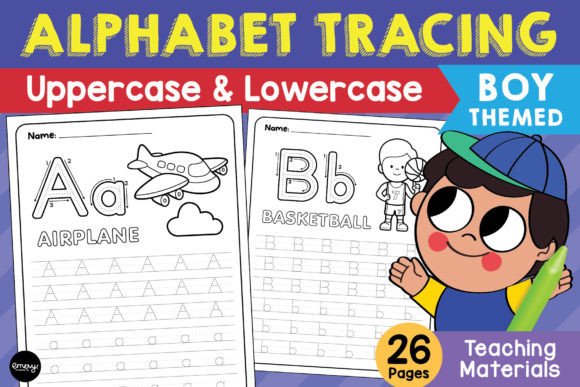
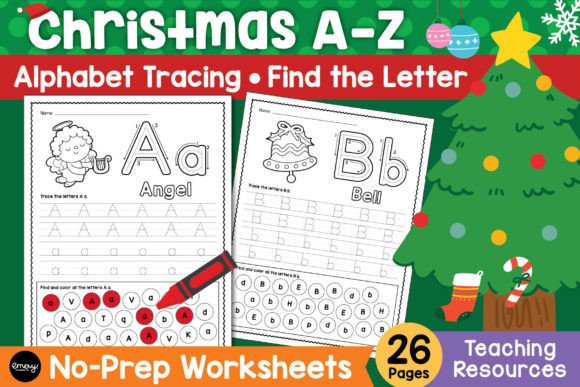
From a graphic design perspective, these worksheets are more than just practice pages; they are a cohesive visual system. The consistent structure—featuring letter recognition, coloring, tracing, and a search-and-find activity—establishes a clear visual hierarchy and predictable user flow. This is a core principle in both UI/UX design and effective editorial layouts, ensuring the content is accessible and easy to navigate for young learners.
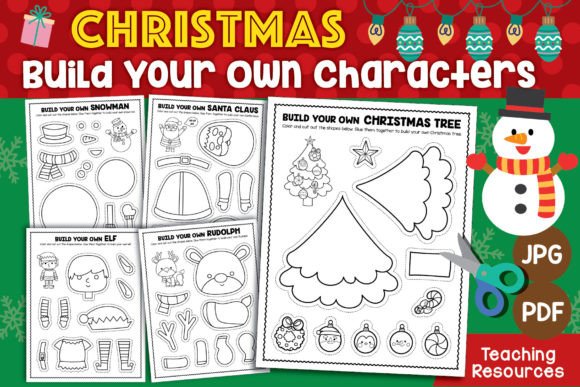
The Christmas theme is executed through a carefully curated set of illustrations, acting as a unified icon set or mini brand identity. This approach mirrors the process of developing a strong visual language, where every element, from the typography to the imagery, works together to communicate a specific mood—in this case, festive joy—and reinforce learning objectives.
Practical Applications and Creative Integration
The true value of a well-designed asset like Christmas Alphabet Tracing Worksheets lies in its versatility and compatibility within broader creative projects. Consider how its principles and even its direct elements can be adapted:
- Marketing and Social Media Graphics: The playful yet structured aesthetic is perfect for creating engaging holiday content for educational brands, family-focused businesses, or community centers. The worksheets themselves can be offered as a free download, serving as a valuable lead magnet that demonstrates brand quality.
- Packaging and Merchandise Design: The charming illustrations could be adapted for stickers, gift tags, or the packaging of educational toys and books, creating a cohesive unboxing experience that extends the brand story.
- Digital Products and Web Design: The clean, black-and-white design is optimized for print, but the visual concept can inspire interactive digital experiences. Think of a simple web-based version where children trace letters with a mouse or finger, using the same visual assets to maintain brand consistency across platforms.
- Editorial and Presentation Design: The typographic focus—distinguishing between uppercase and lowercase forms—is a lesson in visual discrimination that applies to any professional presentation or publication requiring clear, hierarchical text.
Evaluating and Implementing Design Assets
When integrating any creative resource into your workflow, a designer’s critical eye is essential. For assets like these worksheets, key evaluation points include:
- Readability and Scalability: The typography must be clear and simple for its audience. As a high-resolution (300 dpi) PDF, the design scales cleanly for its intended 8.5x11 inch format, a crucial factor for print design.
- Visual Consistency: The use of a monochromatic palette (black and white) is a strategic choice. It reduces printing costs and focuses attention on form and line, while the coloring activity allows for personal expression—much like a designer applying a brand’s color palette to a structured template.
- Audience-Centric Design: Every element, from the dotted tracing lines to the child-friendly illustrations, is tailored to the user’s motor skills and cognitive level. This user-centered approach is the bedrock of effective UX design.
Ultimately, resources like Christmas Alphabet Tracing Worksheets demonstrate how thoughtful design elevates function into an experience. By prioritizing clarity, consistency, and charm, they create a seamless bridge between learning and play, proving that the most effective visual communication is that which resonates deeply with its intended audience while fulfilling its core purpose with elegance and professionalism.