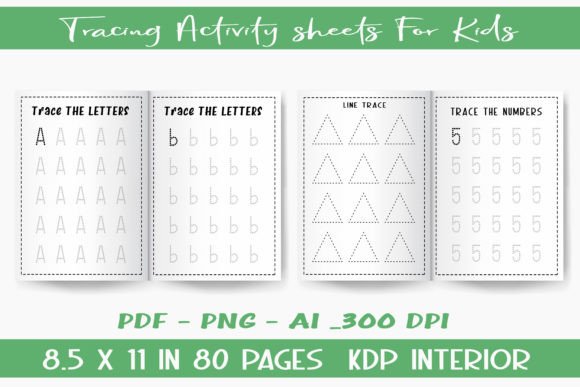
Tracing Activity Sheets for Kids: Foundational Design for Early Learners
Designing for the youngest learners requires a unique blend of precision, clarity, and engagement. Effective educational materials, such as a comprehensive Tracing Activity Sheets for Kids workbook, are more than simple worksheets; they are carefully crafted tools that guide development and foster foundational skills through visual and tactile interaction.
The Role of Structure in Visual Learning
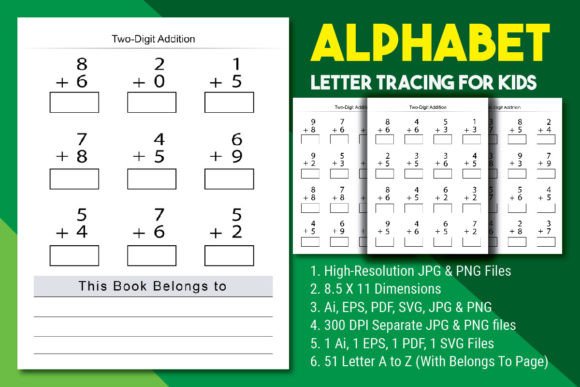
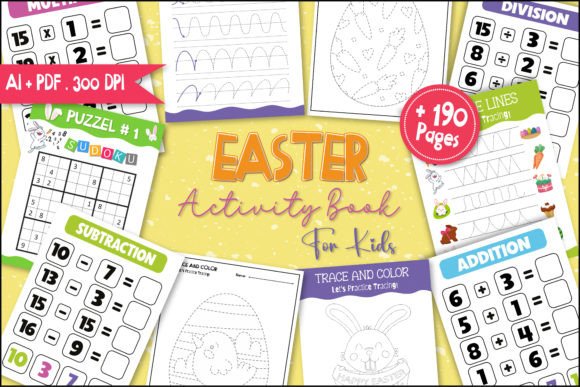
From a graphic design perspective, the efficacy of a tracing activity sheet hinges on its visual hierarchy and usability. Clean, uncluttered layouts with ample white space direct a child's focus to the essential task—the tracing line or form. The choice of typography is paramount. Fonts must be clear, with consistent stroke weights and easily recognizable letterforms, particularly for activities like "Trace the alphabet" or "tracking numbers." The design must balance simplicity to avoid distraction with enough visual interest to maintain engagement.
High-quality, editable assets like an 86-page JPG collection at 8.5" x 11" offer significant value to creators and educators. This format ensures print-ready clarity and allows for customization to fit specific curricula or branding for educational publishers. The inclusion of a PDF file provides a convenient, ready-to-use reference, streamlining the design workflow for those developing complete activity books or standalone learning modules.
Practical Applications Beyond the Classroom
While the primary function is educational, the design principles embedded in these resources have broader applications in creative projects and branding. Consider how the core concepts translate:
- Brand Identity for Educational Products: A consistent visual language across a series of workbooks—from "tracking lines" for preschoolers to more complex "skills activity" pages for older children—builds trust and recognition for a brand.
- Packaging and Merchandise: The playful yet structured aesthetic of children's educational design can inspire packaging for related products, such as stationery sets, educational toys, or digital app interfaces.
- Marketing and Social Media Graphics: Elements like bold, clear letterforms, simple shapes, and a cheerful color palette are excellent for creating engaging social media content, ads, or website banners targeting parents and educators.
Selecting and Implementing Design Elements
When integrating assets like a "tracking activity book" into your work, evaluate them for quality and adaptability. Key factors include:
- Consistency and Scalability: Ensure all sheets, whether focusing on "tracking forms" or "learn to trace" exercises, use a uniform style. Vector-based elements within the JPGs are ideal for scaling without loss of quality.
- Color Palette and Readability: The color scheme should be age-appropriate but also considerate of printing costs and accessibility. High contrast between lines and background is crucial for usability.
- Modularity: Well-designed assets function as building blocks. Pages dedicated to "trace letters" should seamlessly integrate with "tracking numbers" sections, creating a cohesive "workbook for children" experience.
Ultimately, the power of a well-executed tracing sheet lies in its ability to communicate instructions visually and support motor skill development. For designers and creators, these resources are a masterclass in functional visual communication. By prioritizing clarity, thoughtful composition, and user-centric design, you create materials that not only look professional but also deliver tangible educational value, strengthening the connection between visual design and practical application for young minds.