Retro Perennial Vintage Floral PNGs: A Design Deep Dive
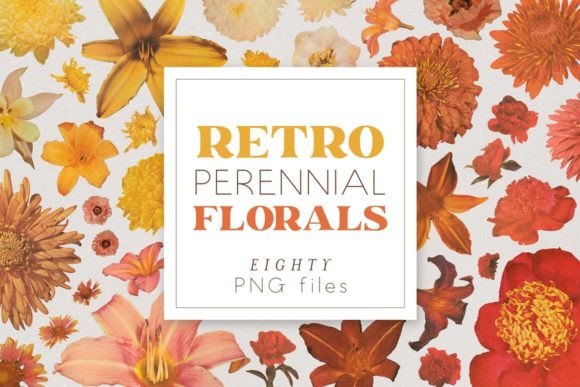
Imagine capturing the sun-drenched, groovy aesthetic of a 1970s beach poster in a single, versatile design asset. The Retro Perennial Floral Graphic Bundle delivers exactly that, offering a curated collection of vintage perennial flowers and greenery to infuse your projects with warmth and nostalgic charm. This set of Retro Perennial Vintage Floral PNGs is more than just clip art; it's a foundational toolkit for creating compelling visual narratives that resonate with a timeless, summery vibe.
Why This Vintage Style Resonates in Modern Design
In an era of sleek minimalism, the textured, handcrafted feel of vintage floral graphics provides a powerful counterpoint. These assets tap into design trends that value authenticity and emotional connection. The inherent warmth of the orange, red, pink, yellow, and beige color palette, combined with a subtle print texture, instantly adds depth and personality. This style is particularly effective for brands aiming to communicate approachability, creativity, and a connection to nature or heritage.
Practical Applications Across Creative Projects
The true power of these isolated PNG elements lies in their incredible versatility. They are precision-cut and ready to integrate into your design workflow, saving valuable time while elevating the final output. Consider these applications:
- Brand Identity & Logo Design: Use a single, elegant chrysanthemum or a cluster of peonies to create a distinctive logo mark. The vintage texture adds a layer of sophistication that pure vector graphics sometimes lack, helping to craft a unique and memorable brand identity.
- Digital Marketing & Social Media: Create scroll-stopping Instagram posts, Facebook banners, and Pinterest graphics. Layer the florals behind text for beautiful quote cards or use them as decorative borders to frame promotional messages, enhancing engagement and visual hierarchy.
- Packaging & Product Design: For artisanal products, cosmetics, or boutique goods, these graphics can transform simple packaging into a premium, collectible item. They are ideal for labels, tissue paper patterns, and shopping bag designs.
- Web & UI Design: Incorporate these elements as subtle accents in website headers, blog post featured images, or as part of a pattern for background textures. They can soften a digital interface and add a human touch to user experience (UX) design.
- Editorial & Print Design: Enhance magazine layouts, book covers, wedding invitations, and stationery. The florals work beautifully in both large, statement compositions and small, elegant details.
Integrating Assets with Your Design System
To use Retro Perennial Vintage Floral PNGs effectively, thoughtful integration with your existing design elements is key. Consider the following to ensure a polished, professional result:
- Color Harmony: While the bundle's palette is warm and cohesive, you can adjust the color balance or overlay them with your brand's specific hues using design software. This ensures they complement your established color palette rather than clash with it.
- Typography Pairing: The vintage floral style pairs wonderfully with specific typefaces. Think elegant serif fonts for a classic feel, or bold, rounded sans-serifs for a more modern retro contrast. The interplay between imagery and typography is crucial for clear visual communication.
- Composition & Scale: Use the PNGs to create a strong visual hierarchy. A large, central rose can be a focal point, while smaller buds and greenery can guide the eye and fill negative space. Their scalability allows for use in both large-format prints and small digital icons.
Ultimately, investing in high-quality, versatile creative assets like this floral bundle is an investment in your design process and final output. It empowers you to execute creative projects with greater speed and confidence, ensuring your branding, marketing materials, and digital products not only look beautiful but also communicate your intended message with clarity and style. Thoughtful selection and application of these elements are what separate good design from truly great, effective visual storytelling.